Should You Switch to a Dumbphone in 2026?
Since a few years, dumbphones are making a comeback. Devices that promise calls, texts, and little else. The promise is tempting: fewer distractions, less scrolling, and maybe a calmer mind. But is switching to a dumbphone really the answer?
Unplug
19 janv. 2026
7 min
If you talk to almost anyone today, you will hear the same quiet frustration.
We are tired of being reachable all the time. Tired of the endless notifications, the group chats that never really end, and the pressure to keep up with everything, everywhere, all at once. Even when nothing urgent is happening, our phones make it feel like something always could (hello FOMO!).
For a growing number of people, this exhaustion has led to a radical idea: what if the problem is the smartphone itself?
But is switching to a dumbphone really the answer? Or is it an understandable reaction to a deeper problem that deserves a more thoughtful solution? That is exactly what we are going to explore in this article.
By the way, I’m Thomas, co-founder of Jomo. Over the last 5 years, I’ve spent most of my time thinking about screen time habits and building an app used by more than 250,000 people. Everything you’ll read here is directly inspired by what we’ve learned from helping people cut down their screen time in real life, not in theory.
What Does Switching to a Dumbphone Actually Mean in 2026?
A dumbphone is usually described as a basic mobile phone focused on calling and texting, without the advanced features we now associate with smartphones. No social media apps, no infinite feeds, often no proper internet browser at all.
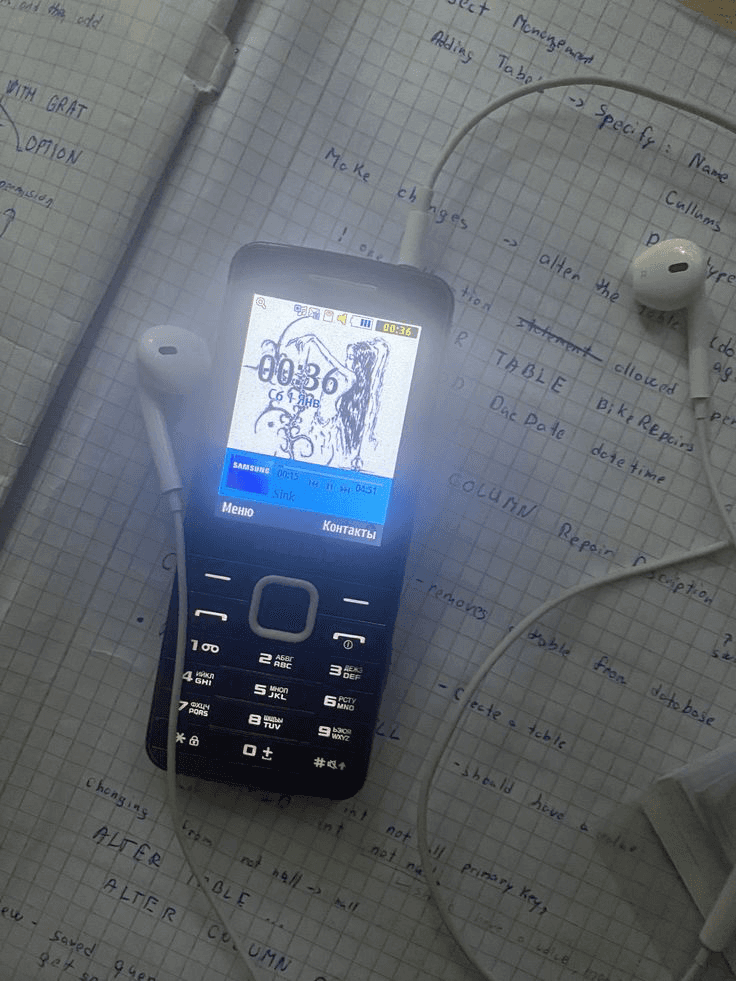
Some models allow a few practical tools like maps or music. Others go even further and strip everything down to the bare minimum. In both cases, the philosophy is the same: remove the features that invite distraction.
What has changed is not the device itself, but the motivation behind it. People are not switching to dumbphones because they dislike technology. They are switching because their relationship with technology has started to feel overwhelming.
We Are Not Rejecting the Internet. We Are Overwhelmed by Constant Connection.
The internet brings enormous benefits. It helps us learn, work, stay connected, and solve problems. Very few people truly want to disconnect completely. The issue is that smartphones make being online the default state.
The internet is no longer something we choose to access. It is something that quietly follows us everywhere. In our pockets. On our desks. On our nightstands. Often in our hands without us even noticing how it got there.
You pick up your phone to check a message. A notification catches your eye. You open one app, then another. Ten minutes later, you are scrolling content you never planned to see, feeling distracted and strangely dissatisfied. This pattern is not accidental.
Smartphones Have Slowly Shifted From Tools to Distraction Machines
When smartphones first became mainstream, they were framed as practical tools. Email, maps, music, a camera, a browser. All useful, all intentional. But over time, their role changed. Today, the apps we use the most everyday are designed around engagement. Notifications are optimized to interrupt. Feeds are endless by design. Algorithms are built to keep you there as long as possible.

Research consistently shows the impact of this design. A study published in the Journal of Behavioral Addictions found strong links between problematic smartphone use and increased stress and anxiety. Another study published in 2025 showed that frequent phone interruptions reduce focus and increase mental fatigue.
The result is not just wasted time. It is fragmented attention and a persistent feeling of mental noise.
Doomscrolling Is Not a Personal Flaw. It Is a Predictable Outcome.
Doomscrolling is often described as mindless scrolling through negative or emotionally charged content. But framing it as a lack of self-control misses the point. These platforms are built around feedback loops. Uncertainty triggers checking. Checking feeds the algorithm. The algorithm surfaces emotionally engaging content. That content keeps you scrolling.
People are not turning to dumbphones because they are weak. They are doing it because they want relief from a system that never really lets their attention rest.
But There Is A Cost Of Going Fully Dumb
For many, dumbphones represent a return to a simpler time. A time when being unreachable was normal. When boredom existed without guilt. When attention felt less fractured.
That nostalgia is understandable. But it can also hide the trade-offs.
In 2026, smartphones are deeply embedded in everyday life: navigation, banking, payments, authentication, healthcare portals, ride-sharing, work tools, music, photos, notes, and more. For many people, removing all of that creates friction. You start borrowing devices, carrying workarounds, or feeling disconnected from systems that quietly assume you have a smartphone.

This does not mean dumbphones are a bad idea. It means they are a strong intervention, not a neutral upgrade. Before making that leap, it helps to understand what problem you are actually trying to solve.
If you talk to almost anyone today, you will hear the same quiet frustration.
We are tired of being reachable all the time. Tired of the endless notifications, the group chats that never really end, and the pressure to keep up with everything, everywhere, all at once. Even when nothing urgent is happening, our phones make it feel like something always could (hello FOMO!).
For a growing number of people, this exhaustion has led to a radical idea: what if the problem is the smartphone itself?
But is switching to a dumbphone really the answer? Or is it an understandable reaction to a deeper problem that deserves a more thoughtful solution? That is exactly what we are going to explore in this article.
By the way, I’m Thomas, co-founder of Jomo. Over the last 5 years, I’ve spent most of my time thinking about screen time habits and building an app used by more than 250,000 people. Everything you’ll read here is directly inspired by what we’ve learned from helping people cut down their screen time in real life, not in theory.
What Does Switching to a Dumbphone Actually Mean in 2026?
A dumbphone is usually described as a basic mobile phone focused on calling and texting, without the advanced features we now associate with smartphones. No social media apps, no infinite feeds, often no proper internet browser at all.
Some models allow a few practical tools like maps or music. Others go even further and strip everything down to the bare minimum. In both cases, the philosophy is the same: remove the features that invite distraction.
What has changed is not the device itself, but the motivation behind it. People are not switching to dumbphones because they dislike technology. They are switching because their relationship with technology has started to feel overwhelming.
We Are Not Rejecting the Internet. We Are Overwhelmed by Constant Connection.
The internet brings enormous benefits. It helps us learn, work, stay connected, and solve problems. Very few people truly want to disconnect completely. The issue is that smartphones make being online the default state.
The internet is no longer something we choose to access. It is something that quietly follows us everywhere. In our pockets. On our desks. On our nightstands. Often in our hands without us even noticing how it got there.
You pick up your phone to check a message. A notification catches your eye. You open one app, then another. Ten minutes later, you are scrolling content you never planned to see, feeling distracted and strangely dissatisfied. This pattern is not accidental.
Smartphones Have Slowly Shifted From Tools to Distraction Machines
When smartphones first became mainstream, they were framed as practical tools. Email, maps, music, a camera, a browser. All useful, all intentional. But over time, their role changed. Today, the apps we use the most everyday are designed around engagement. Notifications are optimized to interrupt. Feeds are endless by design. Algorithms are built to keep you there as long as possible.
Research consistently shows the impact of this design. A study published in the Journal of Behavioral Addictions found strong links between problematic smartphone use and increased stress and anxiety. Another study published in 2025 showed that frequent phone interruptions reduce focus and increase mental fatigue.
The result is not just wasted time. It is fragmented attention and a persistent feeling of mental noise.
Doomscrolling Is Not a Personal Flaw. It Is a Predictable Outcome.
Doomscrolling is often described as mindless scrolling through negative or emotionally charged content. But framing it as a lack of self-control misses the point. These platforms are built around feedback loops. Uncertainty triggers checking. Checking feeds the algorithm. The algorithm surfaces emotionally engaging content. That content keeps you scrolling.
People are not turning to dumbphones because they are weak. They are doing it because they want relief from a system that never really lets their attention rest.
But There Is A Cost Of Going Fully Dumb
For many, dumbphones represent a return to a simpler time. A time when being unreachable was normal. When boredom existed without guilt. When attention felt less fractured.
That nostalgia is understandable. But it can also hide the trade-offs.
In 2026, smartphones are deeply embedded in everyday life: navigation, banking, payments, authentication, healthcare portals, ride-sharing, work tools, music, photos, notes, and more. For many people, removing all of that creates friction. You start borrowing devices, carrying workarounds, or feeling disconnected from systems that quietly assume you have a smartphone.
This does not mean dumbphones are a bad idea. It means they are a strong intervention, not a neutral upgrade. Before making that leap, it helps to understand what problem you are actually trying to solve.
If you talk to almost anyone today, you will hear the same quiet frustration.
We are tired of being reachable all the time. Tired of the endless notifications, the group chats that never really end, and the pressure to keep up with everything, everywhere, all at once. Even when nothing urgent is happening, our phones make it feel like something always could (hello FOMO!).
For a growing number of people, this exhaustion has led to a radical idea: what if the problem is the smartphone itself?
But is switching to a dumbphone really the answer? Or is it an understandable reaction to a deeper problem that deserves a more thoughtful solution? That is exactly what we are going to explore in this article.
By the way, I’m Thomas, co-founder of Jomo. Over the last 5 years, I’ve spent most of my time thinking about screen time habits and building an app used by more than 250,000 people. Everything you’ll read here is directly inspired by what we’ve learned from helping people cut down their screen time in real life, not in theory.
What Does Switching to a Dumbphone Actually Mean in 2026?
A dumbphone is usually described as a basic mobile phone focused on calling and texting, without the advanced features we now associate with smartphones. No social media apps, no infinite feeds, often no proper internet browser at all.
Some models allow a few practical tools like maps or music. Others go even further and strip everything down to the bare minimum. In both cases, the philosophy is the same: remove the features that invite distraction.
What has changed is not the device itself, but the motivation behind it. People are not switching to dumbphones because they dislike technology. They are switching because their relationship with technology has started to feel overwhelming.
We Are Not Rejecting the Internet. We Are Overwhelmed by Constant Connection.
The internet brings enormous benefits. It helps us learn, work, stay connected, and solve problems. Very few people truly want to disconnect completely. The issue is that smartphones make being online the default state.
The internet is no longer something we choose to access. It is something that quietly follows us everywhere. In our pockets. On our desks. On our nightstands. Often in our hands without us even noticing how it got there.
You pick up your phone to check a message. A notification catches your eye. You open one app, then another. Ten minutes later, you are scrolling content you never planned to see, feeling distracted and strangely dissatisfied. This pattern is not accidental.
Smartphones Have Slowly Shifted From Tools to Distraction Machines
When smartphones first became mainstream, they were framed as practical tools. Email, maps, music, a camera, a browser. All useful, all intentional. But over time, their role changed. Today, the apps we use the most everyday are designed around engagement. Notifications are optimized to interrupt. Feeds are endless by design. Algorithms are built to keep you there as long as possible.
Research consistently shows the impact of this design. A study published in the Journal of Behavioral Addictions found strong links between problematic smartphone use and increased stress and anxiety. Another study published in 2025 showed that frequent phone interruptions reduce focus and increase mental fatigue.
The result is not just wasted time. It is fragmented attention and a persistent feeling of mental noise.
Doomscrolling Is Not a Personal Flaw. It Is a Predictable Outcome.
Doomscrolling is often described as mindless scrolling through negative or emotionally charged content. But framing it as a lack of self-control misses the point. These platforms are built around feedback loops. Uncertainty triggers checking. Checking feeds the algorithm. The algorithm surfaces emotionally engaging content. That content keeps you scrolling.
People are not turning to dumbphones because they are weak. They are doing it because they want relief from a system that never really lets their attention rest.
But There Is A Cost Of Going Fully Dumb
For many, dumbphones represent a return to a simpler time. A time when being unreachable was normal. When boredom existed without guilt. When attention felt less fractured.
That nostalgia is understandable. But it can also hide the trade-offs.
In 2026, smartphones are deeply embedded in everyday life: navigation, banking, payments, authentication, healthcare portals, ride-sharing, work tools, music, photos, notes, and more. For many people, removing all of that creates friction. You start borrowing devices, carrying workarounds, or feeling disconnected from systems that quietly assume you have a smartphone.
This does not mean dumbphones are a bad idea. It means they are a strong intervention, not a neutral upgrade. Before making that leap, it helps to understand what problem you are actually trying to solve.
Votre téléphone, vos règles. Bloquez ce que vous voulez, quand vous voulez.
Pour 30 minutes
Tous les jours
Le week-end
Pendant les heures de travail
De 22h à 8h
Pour 7 jours
Tout le temps
Votre téléphone, vos règles. Bloquez ce que vous voulez, quand vous voulez.
Pour 30 minutes
Tous les jours
Le week-end
Pendant les heures de travail
De 22h à 8h
Pour 7 jours
Tout le temps
Votre téléphone, vos règles. Bloquez ce que vous voulez, quand vous voulez.
Pour 30 minutes
Tous les jours
Le week-end
Pendant les heures de travail
De 22h à 8h
Pour 7 jours
Tout le temps
How To Reduce Screen Time Without Going Fully Dumb
1. Try a Dumbphone as an Experiment, Not a Life Decision
If you are curious about dumbphones, the best approach is simple: try one. Not forever. Not as a dramatic statement. Just as a short experiment.
There are now many options available, from very basic flip phones to minimalist devices with limited smart features. Don't hesitate to search for second-hand models which are often way more affordable and lowers the risk.
Why this works
Changing your device immediately disrupts old habits. It removes the automatic reflex of checking your phone whenever boredom appears.
Research on habit formation shows that altering your environment is one of the most effective ways to change behavior. A study published in Nature Human Behaviour found that removing cues often works better than relying on self-control alone.
How to do it
List which features are essentials to you and find a matching dumbphone. If this is an experiment, I’d advise you to stay simple so the budget stays reasonable. You can read our articles comparing dumbphones or use the Dumbphone Finder Tool to find a dumbphone that matches your criterias.
Use your dumbphone for a few weeks. Pay attention to what you miss, but also to what you do not miss at all.
Many people are surprised by how little they actually need. Others discover which features are truly essential for their lives (and upgrade to a more advanced dumb phone or go back to a smartphone). Either outcome is useful.
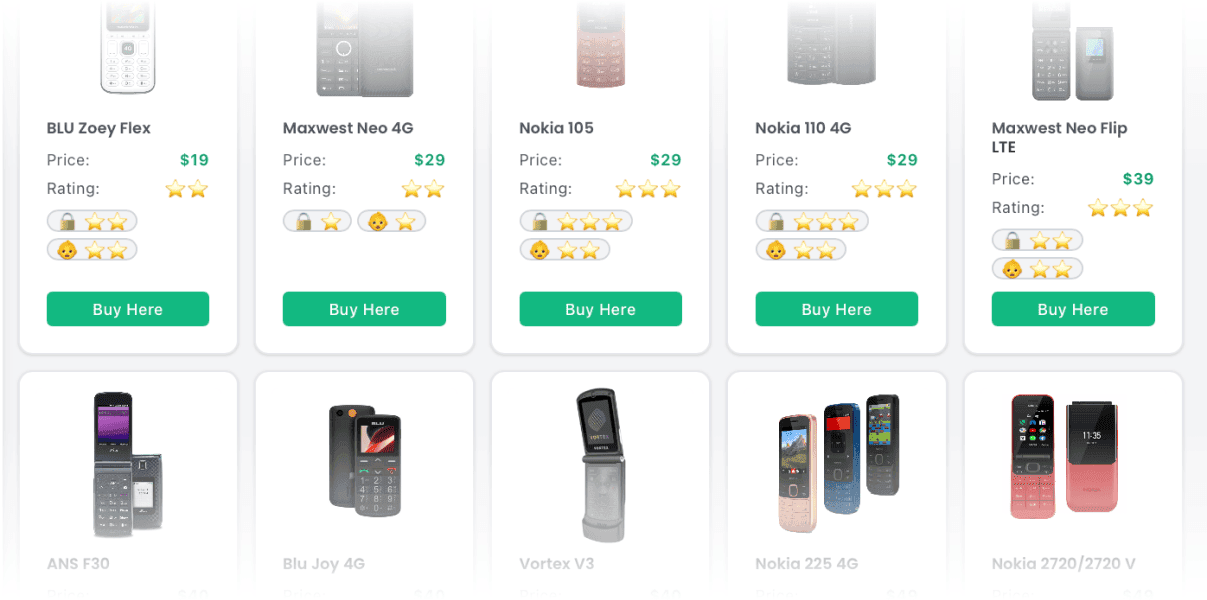
Start simple and see what you do and don't need.
2. Learn To Use Your Smartphone With Intention
This step matters more than any device change. When you feel that brain fog and get overwhelmed by all the distracting apps and services your phone offers, it’s really tempting to just… quit it all. But let’s not forget that we’re entering a new era in which the attention economy is stronger than ever and continues to flourish year after year.
Instead of an all-or-nothing approach, my take is that it’s more interesting to develop the skill of being much more intentional about how we engage with technology. You can definitely get value from YouTube, Reddit, or even Instagram. The key, however, is understanding that these companies want you to spend more and more time so they can show you more and more ads. That’s not your goal.
You need to clearly identify the specific value an app provides for you. When you open it, get that value, then leave before you get pulled in by algorithms and attention-grabbing strategies.
One effective way to achieve this is by using a modern app blocker like Jomo.
Why this works
How to do it
Before opening an app, ask yourself why you’re opening it. Is it to reply to messages? Check one thing? Share something?
Modern app blockers can support this mindset. Instead of limiting total daily time, limit the number of opens. Install an app blocker like Jomo and set an opens limit on your most distracting apps. You’ll be required to consciously choose when to start a scrolling session in an app, which helps you stay intentional and avoid compulsive use in those short “free” moments.
You can set an opens limit in the next 2 minutes like this:
In the app, go to Rules > + > Recurring Session.
Choose the distracting apps you want to add friction to.
The interesting part happens in the “Breaks” section.
Choose how many breaks (or opens) you want per day. A good rule of thumb is to split your opens into 5 or 10-minute sessions at most. For example, if you want to spend a maximum of 30 minutes on Instagram per day, set 3 opens of 10 minutes or 6 opens of 5 minutes.
Choose a quick exercise to complete before each open (the friction): waiting, breathing, writing your reason for using the app… This is where Jomo shines. Use friction that’s gentle but consistent.
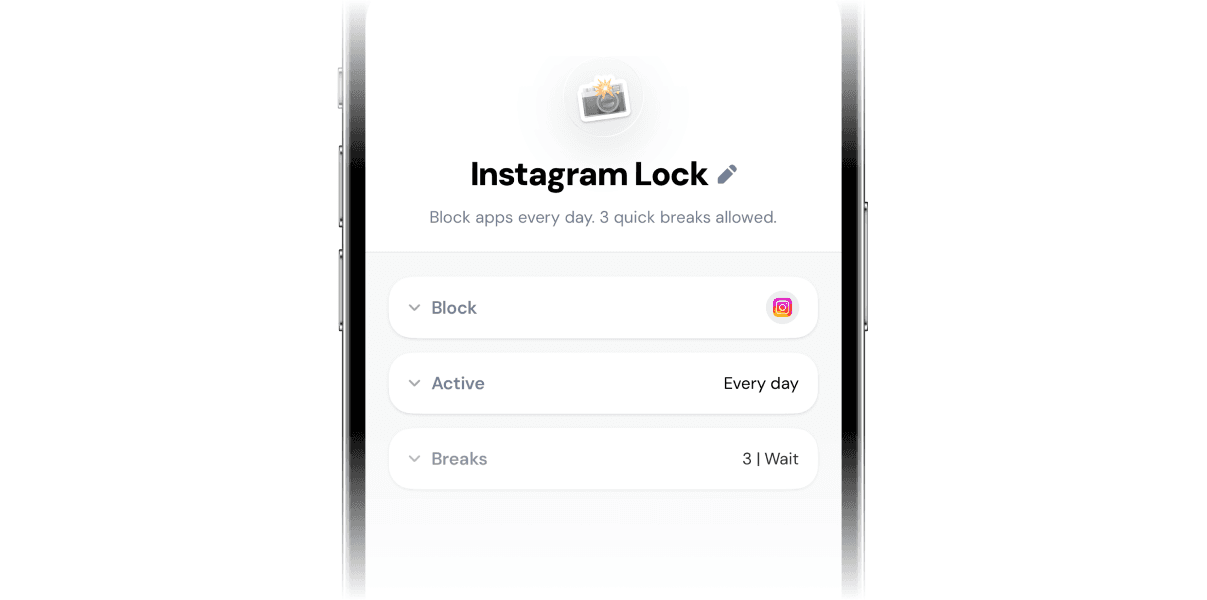
3 opens of Instagram per day. Wait a few seconds before each open.
3. Dumb Down Your Smartphone Instead Of Replacing It
For many people, the biggest improvements come from making their smartphone less stimulating, not from removing it entirely. The goal is to bring your phone closer to its original role: a helpful tool, not an attention magnet.
Why this works
Our brains respond strongly to color, motion, and ease of access. Bright icons, badges, and notifications make apps harder to ignore. Psychology research shows that even small amounts of friction can significantly reduce compulsive behavior.
How to do it
Start with grayscale mode. Turning your phone black and white reduces its emotional pull almost immediately. Some people recommend switching your entire phone to grayscale. This can work, but it is often too extreme. Many people remove it after a few days because it feels frustrating to use a 1000$ phone with no color at all (been there, done that). I’ve learned that a better approach is to apply grayscale only to specific distracting apps. On iPhone, this can be done easily using the Apple’s Shortcut app so that apps like Instagram automatically appear in black and white.
Delete your most problematic apps from your phone. If you still need them, access them on desktop or through a browser.
Add friction intentionally. Put distracting apps in a folder and label it something like “Do I Need This? 🤔” or “Brain Poison ☠️”. Add extra steps before opening them. These small pauses matter more than they seem.
Use Built-In “Dumb Modes” Like Assistive Access
If you use an iPhone, you already have a powerful option built in. Assistive Access lets you simplify the interface, limit apps, and reduce visual clutter. On Android, you can enable Easy/Simple Mode depending on your phone.

Meet your new "dumb iPhone" by enabling Assistive Access.
Why this works
It recreates a dumbphone-like experience while keeping your existing device. It relies on design, not discipline.
How to do it
On iPhone, open the Settings app then go to Accessibility, Assistive Access, and start Assistive Access. Customize which apps are available and how they appear.
5. Embrace single-purpose devices again
One reason smartphones feel overwhelming is that they do everything. Breaking that monopoly can be surprisingly powerful. The more that you split these functions off into other items, the less that the phone becomes the center of your universe.
Why this works
When one device handles every activity, it becomes the default response to boredom. Splitting functions across devices reduces habitual checking.
Studies on attention show that separating contexts helps reduce cognitive overload.
How to do it
Use an e-reader for reading. A music player for music. A notebook for ideas. A camera if photography matters to you.
Each function you remove from your phone reduces the number of reasons to pick it up.

iPod Nano still in service after all these years.
6. Use your dumbphone as a secondary companion
For some people, the most balanced solution is using both.
Why this works
This approach separates roles. The smartphone becomes a work tool. The dumbphone becomes a personal communication device.
How to do it
When you want to go out for the day, be away, not be distracted, but still have that ability to be reached by loved ones and friends if possible, then you just take your dumb phone with you. Using a dumb phone in this way as a secondary companion device rather than your be all end allI find this to be a really helpful approach.
Keep the smartphone for work and essential tasks. Treat it intentionally, not casually. As mentioned in the previous steps, try to extract features from your smartphone into single-purpose devices: take your notes on a physical notebook, use an e-reader or a book to read, etc.
Use two SIM cards if needed. Give close friends and family your dumbphone number. Take it with you when you want to be present and offline
Going fully dumbphone can be powerful. It can also be disruptive.
You do not need to abandon your smartphone to reclaim your attention. What matters most is how you relate to it.
Distraction did not start with smartphones, and it will not end with dumbphones. Even long before the internet, people found ways to waste entire days.
What we need is not an escape from technology, but a healthier way of engaging with it. A dumbphone can be part of that journey. So can a simplified smartphone, better tools, and clearer boundaries.
Ultimately, it comes down to awareness and intention. Understanding your habits. Adjusting your environment. And slowly building a relationship with technology that supports your life instead of draining it.
Thanks for reading so far. If you want to give my app Jomo a try, download it from the App Store and use my code JZ5RP5 to get the Plus plan for 14 days.
How To Reduce Screen Time Without Going Fully Dumb
1. Try a Dumbphone as an Experiment, Not a Life Decision
If you are curious about dumbphones, the best approach is simple: try one. Not forever. Not as a dramatic statement. Just as a short experiment.
There are now many options available, from very basic flip phones to minimalist devices with limited smart features. Don't hesitate to search for second-hand models which are often way more affordable and lowers the risk.
Why this works
Changing your device immediately disrupts old habits. It removes the automatic reflex of checking your phone whenever boredom appears.
Research on habit formation shows that altering your environment is one of the most effective ways to change behavior. A study published in Nature Human Behaviour found that removing cues often works better than relying on self-control alone.
How to do it
List which features are essentials to you and find a matching dumbphone. If this is an experiment, I’d advise you to stay simple so the budget stays reasonable. You can read our articles comparing dumbphones or use the Dumbphone Finder Tool to find a dumbphone that matches your criterias.
Use your dumbphone for a few weeks. Pay attention to what you miss, but also to what you do not miss at all.
Many people are surprised by how little they actually need. Others discover which features are truly essential for their lives (and upgrade to a more advanced dumb phone or go back to a smartphone). Either outcome is useful.
Start simple and see what you do and don't need.
2. Learn To Use Your Smartphone With Intention
This step matters more than any device change. When you feel that brain fog and get overwhelmed by all the distracting apps and services your phone offers, it’s really tempting to just… quit it all. But let’s not forget that we’re entering a new era in which the attention economy is stronger than ever and continues to flourish year after year.
Instead of an all-or-nothing approach, my take is that it’s more interesting to develop the skill of being much more intentional about how we engage with technology. You can definitely get value from YouTube, Reddit, or even Instagram. The key, however, is understanding that these companies want you to spend more and more time so they can show you more and more ads. That’s not your goal.
You need to clearly identify the specific value an app provides for you. When you open it, get that value, then leave before you get pulled in by algorithms and attention-grabbing strategies.
One effective way to achieve this is by using a modern app blocker like Jomo.
Why this works
How to do it
Before opening an app, ask yourself why you’re opening it. Is it to reply to messages? Check one thing? Share something?
Modern app blockers can support this mindset. Instead of limiting total daily time, limit the number of opens. Install an app blocker like Jomo and set an opens limit on your most distracting apps. You’ll be required to consciously choose when to start a scrolling session in an app, which helps you stay intentional and avoid compulsive use in those short “free” moments.
You can set an opens limit in the next 2 minutes like this:
In the app, go to Rules > + > Recurring Session.
Choose the distracting apps you want to add friction to.
The interesting part happens in the “Breaks” section.
Choose how many breaks (or opens) you want per day. A good rule of thumb is to split your opens into 5 or 10-minute sessions at most. For example, if you want to spend a maximum of 30 minutes on Instagram per day, set 3 opens of 10 minutes or 6 opens of 5 minutes.
Choose a quick exercise to complete before each open (the friction): waiting, breathing, writing your reason for using the app… This is where Jomo shines. Use friction that’s gentle but consistent.
3 opens of Instagram per day. Wait a few seconds before each open.
3. Dumb Down Your Smartphone Instead Of Replacing It
For many people, the biggest improvements come from making their smartphone less stimulating, not from removing it entirely. The goal is to bring your phone closer to its original role: a helpful tool, not an attention magnet.
Why this works
Our brains respond strongly to color, motion, and ease of access. Bright icons, badges, and notifications make apps harder to ignore. Psychology research shows that even small amounts of friction can significantly reduce compulsive behavior.
How to do it
Start with grayscale mode. Turning your phone black and white reduces its emotional pull almost immediately. Some people recommend switching your entire phone to grayscale. This can work, but it is often too extreme. Many people remove it after a few days because it feels frustrating to use a 1000$ phone with no color at all (been there, done that). I’ve learned that a better approach is to apply grayscale only to specific distracting apps. On iPhone, this can be done easily using the Apple’s Shortcut app so that apps like Instagram automatically appear in black and white.
Delete your most problematic apps from your phone. If you still need them, access them on desktop or through a browser.
Add friction intentionally. Put distracting apps in a folder and label it something like “Do I Need This? 🤔” or “Brain Poison ☠️”. Add extra steps before opening them. These small pauses matter more than they seem.
Use Built-In “Dumb Modes” Like Assistive Access
If you use an iPhone, you already have a powerful option built in. Assistive Access lets you simplify the interface, limit apps, and reduce visual clutter. On Android, you can enable Easy/Simple Mode depending on your phone.
Meet your new "dumb iPhone" by enabling Assistive Access.
Why this works
It recreates a dumbphone-like experience while keeping your existing device. It relies on design, not discipline.
How to do it
On iPhone, open the Settings app then go to Accessibility, Assistive Access, and start Assistive Access. Customize which apps are available and how they appear.
5. Embrace single-purpose devices again
One reason smartphones feel overwhelming is that they do everything. Breaking that monopoly can be surprisingly powerful. The more that you split these functions off into other items, the less that the phone becomes the center of your universe.
Why this works
When one device handles every activity, it becomes the default response to boredom. Splitting functions across devices reduces habitual checking.
Studies on attention show that separating contexts helps reduce cognitive overload.
How to do it
Use an e-reader for reading. A music player for music. A notebook for ideas. A camera if photography matters to you.
Each function you remove from your phone reduces the number of reasons to pick it up.
iPod Nano still in service after all these years.
6. Use your dumbphone as a secondary companion
For some people, the most balanced solution is using both.
Why this works
This approach separates roles. The smartphone becomes a work tool. The dumbphone becomes a personal communication device.
How to do it
When you want to go out for the day, be away, not be distracted, but still have that ability to be reached by loved ones and friends if possible, then you just take your dumb phone with you. Using a dumb phone in this way as a secondary companion device rather than your be all end allI find this to be a really helpful approach.
Keep the smartphone for work and essential tasks. Treat it intentionally, not casually. As mentioned in the previous steps, try to extract features from your smartphone into single-purpose devices: take your notes on a physical notebook, use an e-reader or a book to read, etc.
Use two SIM cards if needed. Give close friends and family your dumbphone number. Take it with you when you want to be present and offline
Going fully dumbphone can be powerful. It can also be disruptive.
You do not need to abandon your smartphone to reclaim your attention. What matters most is how you relate to it.
Distraction did not start with smartphones, and it will not end with dumbphones. Even long before the internet, people found ways to waste entire days.
What we need is not an escape from technology, but a healthier way of engaging with it. A dumbphone can be part of that journey. So can a simplified smartphone, better tools, and clearer boundaries.
Ultimately, it comes down to awareness and intention. Understanding your habits. Adjusting your environment. And slowly building a relationship with technology that supports your life instead of draining it.
Thanks for reading so far. If you want to give my app Jomo a try, download it from the App Store and use my code JZ5RP5 to get the Plus plan for 14 days.
How To Reduce Screen Time Without Going Fully Dumb
1. Try a Dumbphone as an Experiment, Not a Life Decision
If you are curious about dumbphones, the best approach is simple: try one. Not forever. Not as a dramatic statement. Just as a short experiment.
There are now many options available, from very basic flip phones to minimalist devices with limited smart features. Don't hesitate to search for second-hand models which are often way more affordable and lowers the risk.
Why this works
Changing your device immediately disrupts old habits. It removes the automatic reflex of checking your phone whenever boredom appears.
Research on habit formation shows that altering your environment is one of the most effective ways to change behavior. A study published in Nature Human Behaviour found that removing cues often works better than relying on self-control alone.
How to do it
List which features are essentials to you and find a matching dumbphone. If this is an experiment, I’d advise you to stay simple so the budget stays reasonable. You can read our articles comparing dumbphones or use the Dumbphone Finder Tool to find a dumbphone that matches your criterias.
Use your dumbphone for a few weeks. Pay attention to what you miss, but also to what you do not miss at all.
Many people are surprised by how little they actually need. Others discover which features are truly essential for their lives (and upgrade to a more advanced dumb phone or go back to a smartphone). Either outcome is useful.
Start simple and see what you do and don't need.
2. Learn To Use Your Smartphone With Intention
This step matters more than any device change. When you feel that brain fog and get overwhelmed by all the distracting apps and services your phone offers, it’s really tempting to just… quit it all. But let’s not forget that we’re entering a new era in which the attention economy is stronger than ever and continues to flourish year after year.
Instead of an all-or-nothing approach, my take is that it’s more interesting to develop the skill of being much more intentional about how we engage with technology. You can definitely get value from YouTube, Reddit, or even Instagram. The key, however, is understanding that these companies want you to spend more and more time so they can show you more and more ads. That’s not your goal.
You need to clearly identify the specific value an app provides for you. When you open it, get that value, then leave before you get pulled in by algorithms and attention-grabbing strategies.
One effective way to achieve this is by using a modern app blocker like Jomo.
Why this works
How to do it
Before opening an app, ask yourself why you’re opening it. Is it to reply to messages? Check one thing? Share something?
Modern app blockers can support this mindset. Instead of limiting total daily time, limit the number of opens. Install an app blocker like Jomo and set an opens limit on your most distracting apps. You’ll be required to consciously choose when to start a scrolling session in an app, which helps you stay intentional and avoid compulsive use in those short “free” moments.
You can set an opens limit in the next 2 minutes like this:
In the app, go to Rules > + > Recurring Session.
Choose the distracting apps you want to add friction to.
The interesting part happens in the “Breaks” section.
Choose how many breaks (or opens) you want per day. A good rule of thumb is to split your opens into 5 or 10-minute sessions at most. For example, if you want to spend a maximum of 30 minutes on Instagram per day, set 3 opens of 10 minutes or 6 opens of 5 minutes.
Choose a quick exercise to complete before each open (the friction): waiting, breathing, writing your reason for using the app… This is where Jomo shines. Use friction that’s gentle but consistent.
3 opens of Instagram per day. Wait a few seconds before each open.
3. Dumb Down Your Smartphone Instead Of Replacing It
For many people, the biggest improvements come from making their smartphone less stimulating, not from removing it entirely. The goal is to bring your phone closer to its original role: a helpful tool, not an attention magnet.
Why this works
Our brains respond strongly to color, motion, and ease of access. Bright icons, badges, and notifications make apps harder to ignore. Psychology research shows that even small amounts of friction can significantly reduce compulsive behavior.
How to do it
Start with grayscale mode. Turning your phone black and white reduces its emotional pull almost immediately. Some people recommend switching your entire phone to grayscale. This can work, but it is often too extreme. Many people remove it after a few days because it feels frustrating to use a 1000$ phone with no color at all (been there, done that). I’ve learned that a better approach is to apply grayscale only to specific distracting apps. On iPhone, this can be done easily using the Apple’s Shortcut app so that apps like Instagram automatically appear in black and white.
Delete your most problematic apps from your phone. If you still need them, access them on desktop or through a browser.
Add friction intentionally. Put distracting apps in a folder and label it something like “Do I Need This? 🤔” or “Brain Poison ☠️”. Add extra steps before opening them. These small pauses matter more than they seem.
Use Built-In “Dumb Modes” Like Assistive Access
If you use an iPhone, you already have a powerful option built in. Assistive Access lets you simplify the interface, limit apps, and reduce visual clutter. On Android, you can enable Easy/Simple Mode depending on your phone.
Meet your new "dumb iPhone" by enabling Assistive Access.
Why this works
It recreates a dumbphone-like experience while keeping your existing device. It relies on design, not discipline.
How to do it
On iPhone, open the Settings app then go to Accessibility, Assistive Access, and start Assistive Access. Customize which apps are available and how they appear.
5. Embrace single-purpose devices again
One reason smartphones feel overwhelming is that they do everything. Breaking that monopoly can be surprisingly powerful. The more that you split these functions off into other items, the less that the phone becomes the center of your universe.
Why this works
When one device handles every activity, it becomes the default response to boredom. Splitting functions across devices reduces habitual checking.
Studies on attention show that separating contexts helps reduce cognitive overload.
How to do it
Use an e-reader for reading. A music player for music. A notebook for ideas. A camera if photography matters to you.
Each function you remove from your phone reduces the number of reasons to pick it up.
iPod Nano still in service after all these years.
6. Use your dumbphone as a secondary companion
For some people, the most balanced solution is using both.
Why this works
This approach separates roles. The smartphone becomes a work tool. The dumbphone becomes a personal communication device.
How to do it
When you want to go out for the day, be away, not be distracted, but still have that ability to be reached by loved ones and friends if possible, then you just take your dumb phone with you. Using a dumb phone in this way as a secondary companion device rather than your be all end allI find this to be a really helpful approach.
Keep the smartphone for work and essential tasks. Treat it intentionally, not casually. As mentioned in the previous steps, try to extract features from your smartphone into single-purpose devices: take your notes on a physical notebook, use an e-reader or a book to read, etc.
Use two SIM cards if needed. Give close friends and family your dumbphone number. Take it with you when you want to be present and offline
Going fully dumbphone can be powerful. It can also be disruptive.
You do not need to abandon your smartphone to reclaim your attention. What matters most is how you relate to it.
Distraction did not start with smartphones, and it will not end with dumbphones. Even long before the internet, people found ways to waste entire days.
What we need is not an escape from technology, but a healthier way of engaging with it. A dumbphone can be part of that journey. So can a simplified smartphone, better tools, and clearer boundaries.
Ultimately, it comes down to awareness and intention. Understanding your habits. Adjusting your environment. And slowly building a relationship with technology that supports your life instead of draining it.
Thanks for reading so far. If you want to give my app Jomo a try, download it from the App Store and use my code JZ5RP5 to get the Plus plan for 14 days.
Credits
Photographies and illustrations by Unsplash. Screenshots by Jomo.
[1] Grant, J. E., Lust, K., & Chamberlain, S. R. (2019). Problematic smartphone use associated with greater alcohol consumption, mental health issues, poorer academic performance, and impulsivity. Journal of Behavioral Addictions, 8(2), 335-342.
[2] Derks D, van Mierlo H, Kühner C. 2025. Unfinished Tasks and Unsettled Minds: A Diary Study on Personal Smartphone Interruptions, Frustration, and Rumination. Behav Sci (Basel).
[3] Hunt, M. G., Marx, R., Lipson, C., & Young, J. (2018). No more FOMO: Limiting social media decreases loneliness and depression. Journal of Social and Clinical Psychology, 37(10).
[4] Wood, W., Tam, L., & Witt, M. G. (2005). Changing circumstances, disrupting habits. Journal of Personality and Social Psychology, 88(6).
[5] Longjie Guo, Yue Fu, Xiran Lin, Xuhai Xu, Yung-Ju Chang, and Alexis Hiniker. 2025. What Social Media Use Do People Regret? An Analysis of 34K Smartphone Screenshots with Multimodal LLM. In Proceedings of the 2025 CHI Conference on Human Factors in Computing Systems (CHI '25). Association for Computing Machinery, New York, NY, USA, Article 972, 1–23.
[6] American Psychological Association. (2006). Multitasking: Switching costs. American Psychological Association.
Continue reading
Continue reading


The Joy Of Missing Out

Développé en Europe
Tous droits réservés à Jomo SAS, 2025
The Joy Of Missing Out
Développé en Europe
Tous droits réservés à Jomo SAS, 2025
The Joy Of Missing Out
Développé en Europe
Tous droits réservés à Jomo SAS, 2025